

Zam Zam water is one of the most cherished blessings in Islam. Flowing from the historic Zam Zam Well within Masjid al-Haram in Makkah, this sacred water has been revered by Muslims for thousands of years. Every year, millions of pilgrims performing Hajj and Umrah drink this sacred water and take it home as a precious gift for family and friends.
The story of this sacred water is deeply connected to the lives of Prophet Ibrahim (AS), Hajar (RA), and Prophet Ismail (AS). It is a powerful reminder of faith, patience, and Allah’s mercy.
The Origin of Zam Zam Water
The history of this sacred water begins with Hajar (RA) and her infant son, Ismail (AS). According to Islamic tradition, Prophet Ibrahim (AS), following Allah’s command, left them in the barren valley of Makkah.
As their water supply ran out, Hajar (RA) desperately searched for water by running between the hills of Safa and Marwah seven times. Allah answered her prayers by causing a spring to gush forth near the feet of Ismail (AS). This miraculous spring became known as Zam Zam.
Today, Muslims honor this event during Hajj and Umrah by performing Sa’i between Safa and Marwah.
Where Is the Zam Zam Well Located?
The Zam Zam Well is located within the grounds of Masjid al-Haram, only a short distance from the Holy Kaaba in Makkah.
Although the original opening of the well is no longer directly accessible to pilgrims, the water is carefully managed and distributed throughout the mosque. Visitors can easily drink chilled Zam Zam water from dedicated dispensers placed across the Haram.
Why Is Zam Zam Water Special?
This blessed water holds a unique place in the hearts of Muslims because of its miraculous origin and spiritual significance.
It is valued for several reasons:
- It has flowed continuously for centuries.
- It is directly connected to the story of Hajar (RA) and Ismail (AS).
- Millions of pilgrims drink it every year.
- It is often brought home as a meaningful gift from Makkah.
- It symbolizes Allah’s mercy and provision.
For Muslims, Zam Zam is much more than ordinary drinking water—it is a reminder of trust in Allah and His blessings.
Drinking Zam Zam Water
Many Muslims drink this blessed water while making personal supplications (du’a). It is a common practice during Hajj and Umrah to drink the water with gratitude and pray for goodness, health, knowledge, and blessings.
Because of its importance, pilgrims often share Zam Zam water with relatives and loved ones after returning from Makkah.
Zam Zam Water During Hajj and Umrah
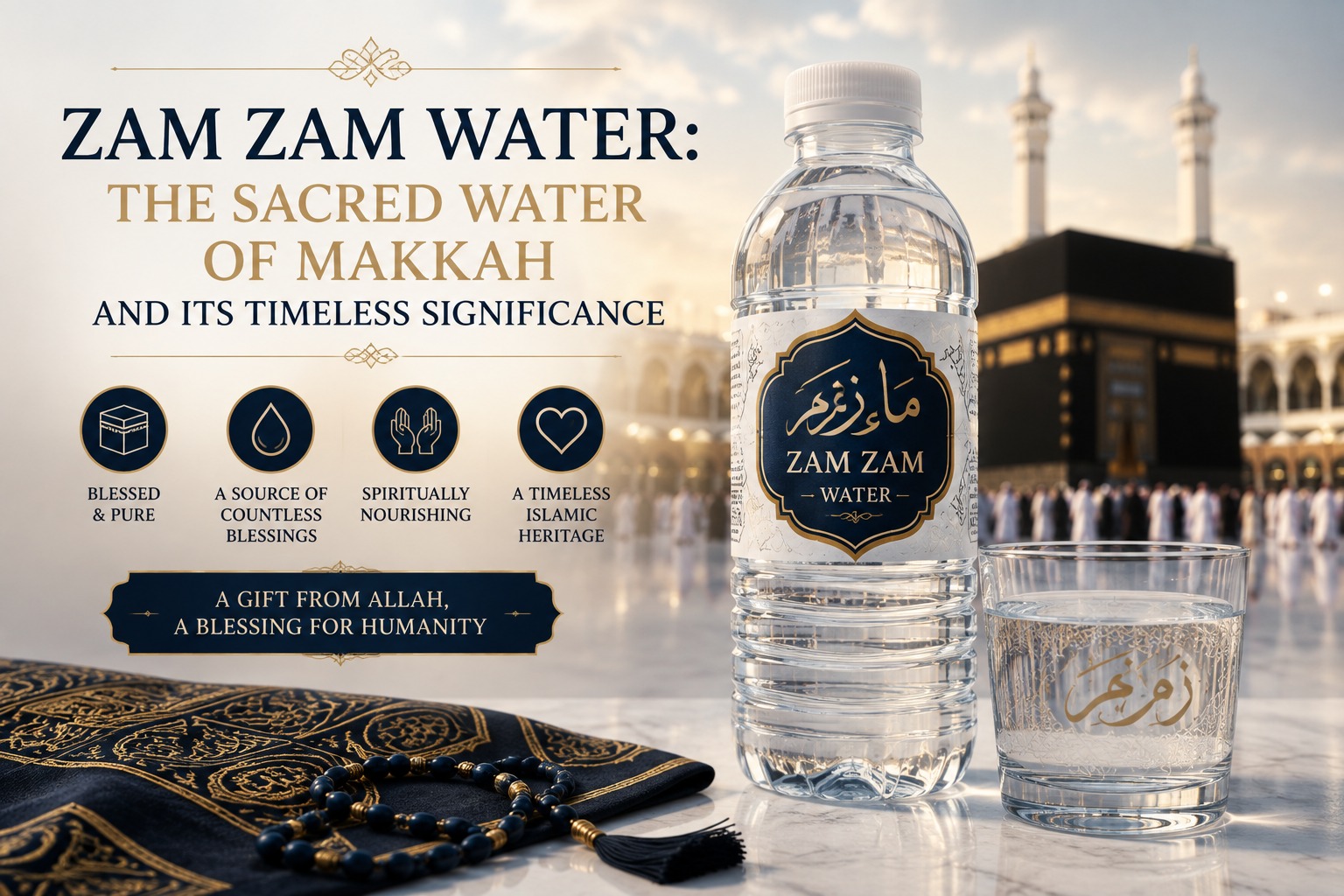
Every year, millions of pilgrims have the opportunity to drink Zam Zam water while visiting Masjid al-Haram.
Modern distribution systems ensure that the water is available throughout the mosque in clean containers and drinking stations. This allows visitors from around the world to experience one of Islam’s most treasured blessings during their pilgrimage.
Can You Take Zam Zam Water Home?
Yes. Pilgrims traveling from Saudi Arabia are generally allowed to carry officially packaged Zam Zam water according to the regulations of the Saudi authorities and their airline.
The water is specially bottled to maintain quality and make transportation easier for international travelers. Travelers should always check the latest airline and airport baggage rules before flying.
How Should Zam Zam Water Be Stored?
To preserve its quality, Zam Zam water should be:
- Stored in a clean container.
- Kept away from direct sunlight.
- Sealed properly after use.
- Stored at normal room temperature or refrigerated if preferred.
Many families reserve Zam Zam water for special occasions or share it with guests as a symbol of hospitality and blessing.
Frequently Asked Questions
Is Zam Zam water only for pilgrims?
No. While many people receive it during Hajj or Umrah, Zam Zam water is often shared with family members and friends around the world.
Can Zam Zam water be gifted?
Yes. It is one of the most meaningful gifts brought back from Makkah and is widely appreciated by Muslims.
Why is Zam Zam water famous?
It is famous because of its miraculous origin, its connection to the Holy Kaaba, and its importance in Islamic history.
Conclusion
Zam Zam water is more than a natural spring—it is a symbol of faith, hope, and Allah’s mercy. Its history reminds Muslims of the patience of Hajar (RA), the miracle granted to Prophet Ismail (AS), and the enduring blessings that continue to benefit millions of pilgrims every year.
Whether enjoyed during Hajj, Umrah, or shared with loved ones after returning from Makkah, Zam Zam water remains one of the most treasured gifts connected to the Holy Kaaba and an enduring part of Islamic heritage.
