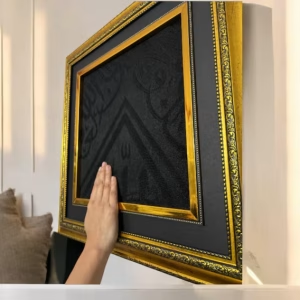
Gold-Threaded Kiswah Wall Art: Meaning, History & Home Styling
The Gold Threaded Kiswah Wall Art is among the most spiritually powerful textiles in Islamic heritage. Known worldwide as the black silk cloth that covers the Kaaba, its luminous gold Quranic embroidery symbolizes devotion, unity, and divine remembrance. Today, carefully preserved Kiswah fragments and Kiswah-inspired wall art allow Muslims to incorporate this sacred symbolism into their homes while maintaining reverence and authenticity.
As Islamic interior design continues to evolve, collectors and homeowners are increasingly searching for original Kiswah fragments, Kiswah calligraphy frames, and Islamic wall décor inspired by the Kaaba covering. Understanding the history, symbolism, and respectful display practices ensures these sacred pieces enhance both spiritual and aesthetic environments.
The Historical Significance of the Gold-Threaded Kiswah
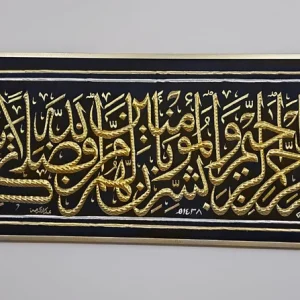
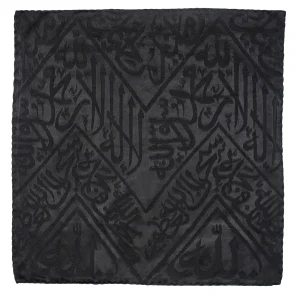
For centuries, the Kaaba has been covered with a finely woven black silk cloth embroidered with Quranic verses using gold and silver threads. The cloth is produced annually at the specialized Kiswah manufacturing complex in Makkah, where artisans handle weaving, dyeing, embroidery, and finishing through a detailed year-long process.
The Kiswah is composed of several major sections:
- Hizam (Belt): A horizontal embroidered band surrounding the upper portion of the Kaaba
- Sitara (Door Curtain): The elaborately decorated textile covering the Kaaba door
- Panel Sections: Large silk panels joined together to form the full covering
After the annual replacement ceremony, the previous Kiswah is carefully preserved and distributed through official channels to museums, institutions, dignitaries, and occasionally authorized heritage collectors.
Readers interested in the official historical background of the Kaaba covering can explore the archival information provided by the
General Presidency for the Affairs of the Two Holy Mosques.
Symbolism Behind the Black and Gold Design
The design of the Kiswah carries layered spiritual meanings:
- Black Silk: Represents humility, equality, and submission before Allah
- Gold Embroidery: Reflects divine majesty and sacred honor
- Quranic Calligraphy: Serves as a continuous reminder of Tawheed (Oneness of Allah)
Verses such as Ayat al-Kursi and Surah Al-Ikhlas are often embroidered in elegant Thuluth calligraphy, chosen for its visual clarity and architectural beauty.
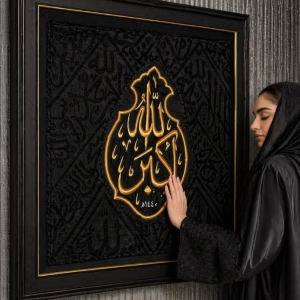
Because of this symbolic depth, many Islamic décor collectors prefer authentic Kiswah fragments framed as wall art, transforming sacred textile heritage into meaningful interior pieces.
How Authentic Kiswah Fragments Reach Collectors
Original Kiswah pieces are rare because the cloth is distributed only under official supervision. Authentic fragments generally include:
- Certification or official documentation
- Provenance records confirming distribution
- Conservation-grade framing to protect silk fibers
When purchasing, buyers should rely on trusted Islamic heritage retailers or certified collectors. Reputable suppliers typically provide preservation framing and authenticity verification. A helpful buying guide on Islamic heritage collectibles can be explored through
Islamic Art Heritage Collection Guide.
Styling Gold Threaded Kiswah Wall Art in Modern Homes
Integrating Kiswah-inspired décor into contemporary interiors requires a balance of elegance and respect. Recommended styling approaches include:
1. Dedicated Spiritual Wall
Place framed Kiswah fragments in prayer rooms or meditation corners to create a reflective spiritual focal point.
2. Minimalist Framing
Choose simple black, gold, or neutral frames that highlight the sacred textile without visual distraction.
3. Pairing with Calligraphy Art
Combine Kiswah pieces with complementary Islamic calligraphy panels available in curated collections such as
Premium Islamic Wall Art Collection.
4. Proper Placement
Avoid placing sacred textiles in areas prone to dust, moisture, or heavy traffic. Elevated display positions preserve dignity and longevity.
Why Kiswah Wall Art Is Growing in Popularity
The increasing demand for Gold Threaded Kiswah wall Art is driven by multiple factors:
- Desire for spiritually meaningful home interiors
- Appreciation for authentic Islamic craftsmanship
- Rising interest in heritage collectibles
- Expansion of Islamic luxury décor markets
Unlike ordinary decorative textiles, Kiswah-inspired art represents both faith identity and historical continuity, making it a timeless interior investment.
Preserving Sanctity While Displaying Sacred Textiles
Respectful presentation is essential when displaying Kiswah fragments. Experts recommend:
- Using UV-protected museum glass
- Maintaining humidity-controlled indoor environments
- Avoiding direct sunlight exposure
- Handling textiles only through professional framing services
These steps ensure that sacred silk pieces remain preserved for generations.
Conclusion
Gold Threaded Kiswah wall art represents far more than interior decoration—it embodies centuries of devotion, craftsmanship, and Islamic heritage. Whether displayed as an authentic fragment or a carefully crafted reproduction, Kiswah-inspired décor transforms homes into spaces of remembrance and spiritual reflection. By purchasing from verified sources, preserving textiles properly, and styling them respectfully, collectors can honor the sacred legacy of the Kaaba while enriching modern Islamic interiors with timeless meaning.