
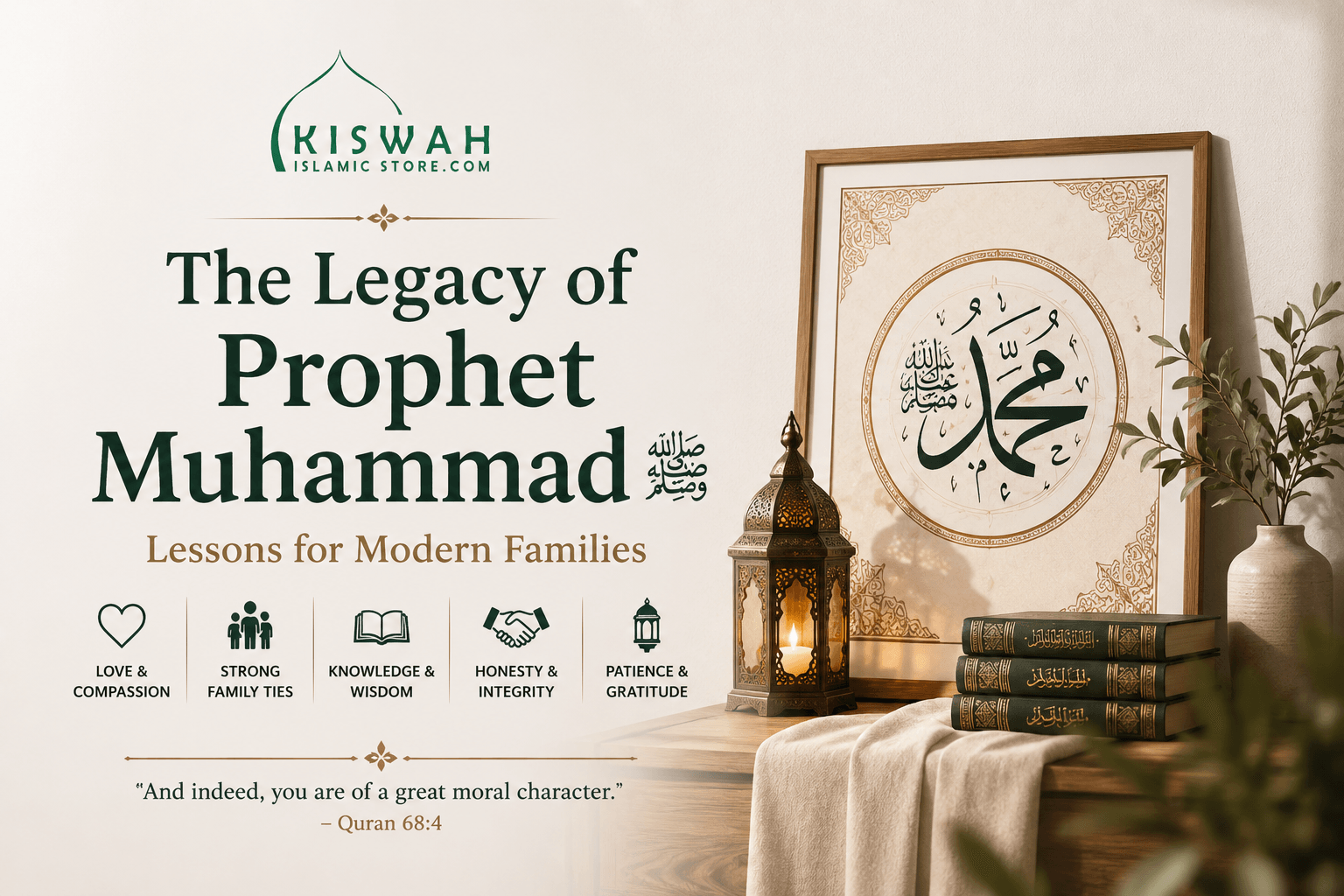
The life of Prophet Muhammad ﷺ offers timeless guidance for Muslims in every generation. His teachings provide valuable lessons about family relationships, kindness, patience, honesty, responsibility, and compassion.
For modern families, the Seerah of Prophet Muhammad ﷺ can serve as a source of inspiration when dealing with everyday challenges. Although lifestyles and technology have changed significantly, the importance of good character, strong relationships, and mutual respect remains the same.
Understanding his example can help families create homes built on faith, kindness, communication, and understanding.
The Importance of Kindness in Family Life
One of the most beautiful qualities associated with Prophet Muhammad ﷺ was his compassion toward others. His interactions with family members demonstrate the importance of treating people with gentleness and respect.
Modern family life can sometimes become stressful because of work, education, financial responsibilities, and technology. Practicing kindness in small daily interactions can make a significant difference.
Simple habits such as listening carefully, speaking politely, helping with household responsibilities, and appreciating one another can strengthen family relationships.
Teaching Children Through Good Character
Children learn not only from what parents say but also from what they see.
The example of Prophet Muhammad ﷺ highlights the importance of good manners and compassionate treatment. Parents can therefore teach children Islamic values through their own behavior.
Instead of only telling children to be patient, parents can demonstrate patience. Instead of simply explaining honesty, they can show honesty in everyday situations.
Important qualities to encourage include:
- Honesty
- Patience
- Respect
- Kindness
- Generosity
- Responsibility
- Forgiveness
These values can help children develop strong character as they grow.
The Value of Spending Time Together
Modern families often have busy schedules. Parents may have professional commitments, while children have school, activities, and social responsibilities.
Making time for family is therefore increasingly important.
Families can create meaningful routines such as eating together, reading Islamic books, discussing the Seerah, praying together, or simply talking about their day.
Quality time does not always require elaborate activities. Even a short conversation without distractions can help family members feel connected.
Communication With Respect
Healthy communication is an important part of a strong family.
When disagreements happen, speaking with respect can prevent small problems from becoming larger conflicts. Families can learn to listen before responding, avoid hurtful language, and give each person an opportunity to express their feelings.
The example of Prophet Muhammad ﷺ encourages Muslims to value dignity and considerate treatment in their interactions with others.
Patience During Difficult Times
Every family experiences challenges. Financial concerns, misunderstandings, health difficulties, educational pressures, and other problems can test relationships.
The life of Prophet Muhammad ﷺ contains many examples of patience and perseverance during extremely difficult circumstances.
For modern families, patience does not mean ignoring problems. Instead, it can mean responding to difficulties thoughtfully rather than allowing anger or frustration to control decisions.
Forgiveness Within the Family
No family is perfect. People make mistakes, misunderstand one another, and sometimes say things they later regret.
Learning to forgive can help families move forward.
Parents can teach children that forgiveness does not mean pretending that a problem never happened. It means choosing a constructive response and avoiding unnecessary resentment.
A home where family members know how to apologize, forgive, and improve can become a healthier environment.
Balancing Technology and Family Time
Technology has transformed modern family life. Smartphones, social media, streaming platforms, and online education offer many benefits, but excessive screen time can reduce meaningful communication.
Families can establish simple technology boundaries, such as:
- Keeping phones away during meals
- Creating screen-free family time
- Limiting unnecessary notifications
- Encouraging children to read and interact offline
- Maintaining technology-free prayer and reflection periods
The goal is not to reject technology but to ensure that it does not replace family relationships.
Creating a Faith-Centered Home
A strong Muslim family can benefit from creating an environment where faith is naturally part of everyday life.
This can include:
- Praying together when possible
- Reading the Quran
- Learning about the Seerah
- Making Du’a
- Discussing Islamic manners
- Giving charity
- Helping neighbors and relatives
Islamic learning does not need to feel like a formal classroom lesson. Everyday situations can become opportunities to teach children about faith and character.
Teaching Children About the Seerah
The Seerah of Prophet Muhammad ﷺ can provide children with meaningful examples of courage, patience, honesty, compassion, and responsibility.
Parents can introduce the Seerah through age-appropriate books and stories. After reading a story, they can ask children questions such as:
What did we learn from this event?
How could we apply this lesson at home or school?
This encourages children to think about Islamic teachings rather than simply memorizing historical information.
Generosity and Helping Others
The legacy of Prophet Muhammad ﷺ also reminds Muslims about the importance of generosity and helping those around them.
Families can turn this lesson into practical activities by:
- Supporting charitable causes
- Helping elderly relatives
- Sharing food
- Assisting neighbors
- Donating useful items
- Helping someone facing difficulties
Children who participate in acts of generosity can learn that kindness is something to practice rather than simply discuss.
Respect Between Family Members
Respect should exist between parents, children, spouses, and other relatives.
A respectful home allows family members to communicate without fear of unnecessary criticism or humiliation.
Parents can encourage respectful behavior by listening to children, recognizing their efforts, and correcting mistakes calmly. Children can also be taught to respect parents, elders, siblings, and others.
Creating a Peaceful Islamic Home
The physical environment of a home can also encourage reflection and learning.
Families may create a simple Islamic corner featuring Quranic calligraphy, Islamic books, prayer essentials, or meaningful Islamic heritage artwork.
An original Kiswah piece can also be displayed respectfully as part of an Islamic heritage collection. The craftsmanship of the Kiswah can provide an opportunity to discuss the history of the Holy Kaaba and the importance of preserving Islamic heritage.
Building Strong Family Traditions
Family traditions can create lasting memories for children.
These traditions might include a weekly Seerah session, family Quran reading, preparing food for someone in need, visiting relatives, or having a regular family discussion.
The most valuable traditions are often simple and consistent.
Over time, these routines can help children associate Islamic values with warmth, family connection, and meaningful experiences.
Applying the Prophet’s ﷺ Example Today
Following the example of Prophet Muhammad ﷺ does not require families to live exactly as people did centuries ago. Modern families can apply timeless principles within their contemporary circumstances.
Parents can use technology responsibly while maintaining family communication. Children can pursue modern education while developing strong Islamic character. Families can live busy lives while still making time for worship and one another.
The key is to carry timeless values into modern situations.
Conclusion
The legacy of Prophet Muhammad ﷺ offers modern families a powerful foundation for developing kindness, patience, honesty, forgiveness, compassion, and mutual respect.
His example reminds families that a strong home is built through everyday actions: listening to one another, helping each other, forgiving mistakes, spending meaningful time together, and keeping faith at the heart of family life.
By learning from the Seerah and putting its lessons into practice, modern families can create homes where Islamic values are not only taught but lived every day.
May Allah bless our families with love, understanding, faith, and good character, and guide us to follow the beautiful example of Prophet Muhammad ﷺ. Ameen.
