
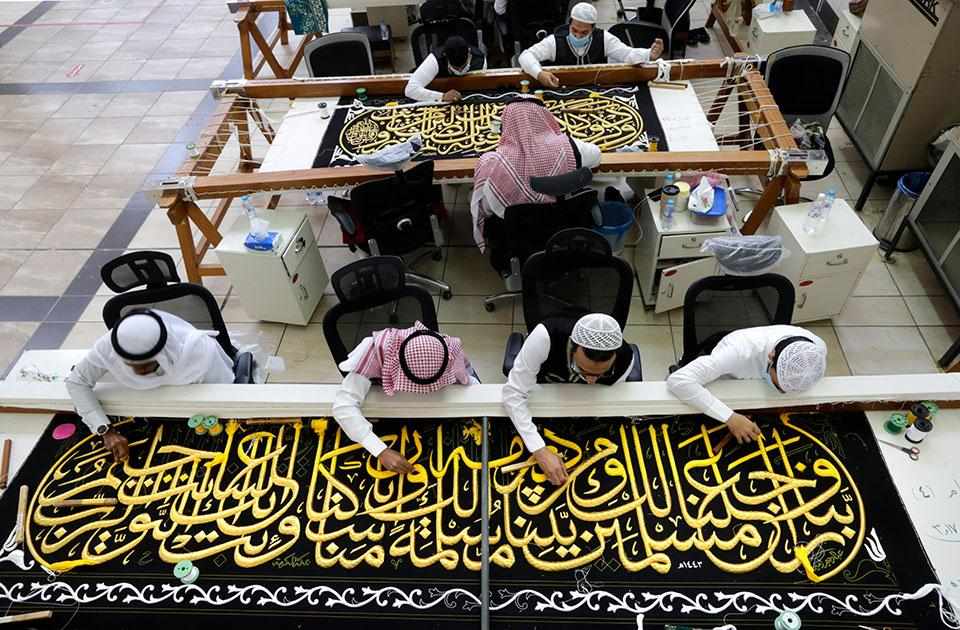
The Kiswah of the Holy Kaaba is one of the most spiritually significant textiles in the Islamic world. Every year, millions of Muslims admire the elegant black silk cloth covering the Kaaba in Makkah, but many people still wonder: how is the Kiswah of the Kaaba made?
The process is a masterpiece of Islamic craftsmanship, combining premium silk, Quranic embroidery, and generations of artistic expertise. For Muslims in the UK looking to own a meaningful Islamic keepsake, understanding the history and production of the Kiswah adds even greater spiritual value.
At Kiswah Islamic Store, we provide authentic Kiswah pieces and Islamic collectibles sourced with care and authenticity.
The Meaning of the Kiswah
The Kiswah is the black cloth that covers the Holy Kaaba in Masjid al-Haram, Makkah. It represents dignity, unity, devotion, and the beauty of Islamic heritage. The covering is replaced annually during Hajj, continuing a sacred tradition that dates back centuries.
Today, the Kiswah is produced using advanced textile methods while preserving traditional Islamic artistry.
What Material Is Used to Make the Kiswah?
The Kaaba Kiswah is primarily made from premium natural silk dyed in deep black. The cloth is then decorated with intricate Quranic verses embroidered using gold-plated and silver-plated threads.
The production includes:
- High-quality silk weaving
- Black dye processing
- Quranic calligraphy embroidery
- Gold and silver thread stitching
- Hand-finishing by skilled artisans
The final result is a breathtaking Islamic masterpiece admired worldwide.
Step-by-Step Process of Making the Kiswah
1. Silk Preparation
The process begins with importing and preparing the finest silk. The silk threads are cleaned, woven, and dyed black to achieve the iconic appearance of the Kaaba covering.
2. Quranic Calligraphy Design
Islamic calligraphers carefully prepare the Quranic verses and decorative patterns that appear on the Kiswah. These include verses about Tawheed, blessings, and Islamic faith.
3. Gold and Silver Embroidery
This is the most detailed stage of the process. Skilled craftsmen embroider Quranic verses using gold-plated and silver-plated threads. Some sections are completed manually to maintain precision and beauty.
4. Stitching the Panels
The Kiswah is made in large sections that are stitched together with exceptional accuracy. Each side is measured to fit perfectly around the Holy Kaaba.
5. Annual Replacement
Every year during Hajj, the old Kiswah is removed and replaced with a new one. Pieces from the previous Kiswah are often preserved and gifted as valuable Islamic artefacts.
If you are looking for genuine Kiswah fabric or framed Kiswah pieces, you can explore our collection through Authentic Kiswah Collection.
Why Muslims in the UK Value Authentic Kiswah Pieces
For many Muslims in the UK, owning a genuine piece of Kiswah is deeply emotional and spiritual. It serves as:
- A reminder of Hajj and Umrah
- A meaningful Islamic gift
- Elegant Islamic home décor
- A connection to the Holy Kaaba
- A treasured family keepsake
Authentic Kiswah pieces are becoming increasingly popular among collectors and Islamic art lovers across London, Birmingham, Manchester, and other UK cities.
How to Identify Genuine Kiswah Fabric
When purchasing Kiswah online, authenticity matters. Genuine Kiswah pieces usually feature:
- Premium silk texture
- Authentic embroidery patterns
- Detailed Quranic calligraphy
- Certification or trusted sourcing
- Professional Islamic framing
You can also explore more authentic Islamic collections through Kiswah Al Kabah and Kaaba Kiswa Official Collection.
Final Thoughts
The making of the Kiswah of the Kaaba is not just a textile process — it is a sacred Islamic tradition built on devotion, craftsmanship, and history. Every thread reflects extraordinary artistic skill and deep spiritual meaning.
For Muslims in the UK seeking authentic Kiswah products, framed Kaaba cloth, or Islamic heritage pieces, choosing trusted sources is essential.
Explore premium collections today at Kiswah Islamic Store and bring home a timeless connection to the Holy Kaaba.
